real indigo
Indigo is an organic pigment that is today primarily obtained from the tropical plant Indigofera tinctoria L.
The use of indigo as a dye has been documented for thousands of years and developed independently in various regions of the world.
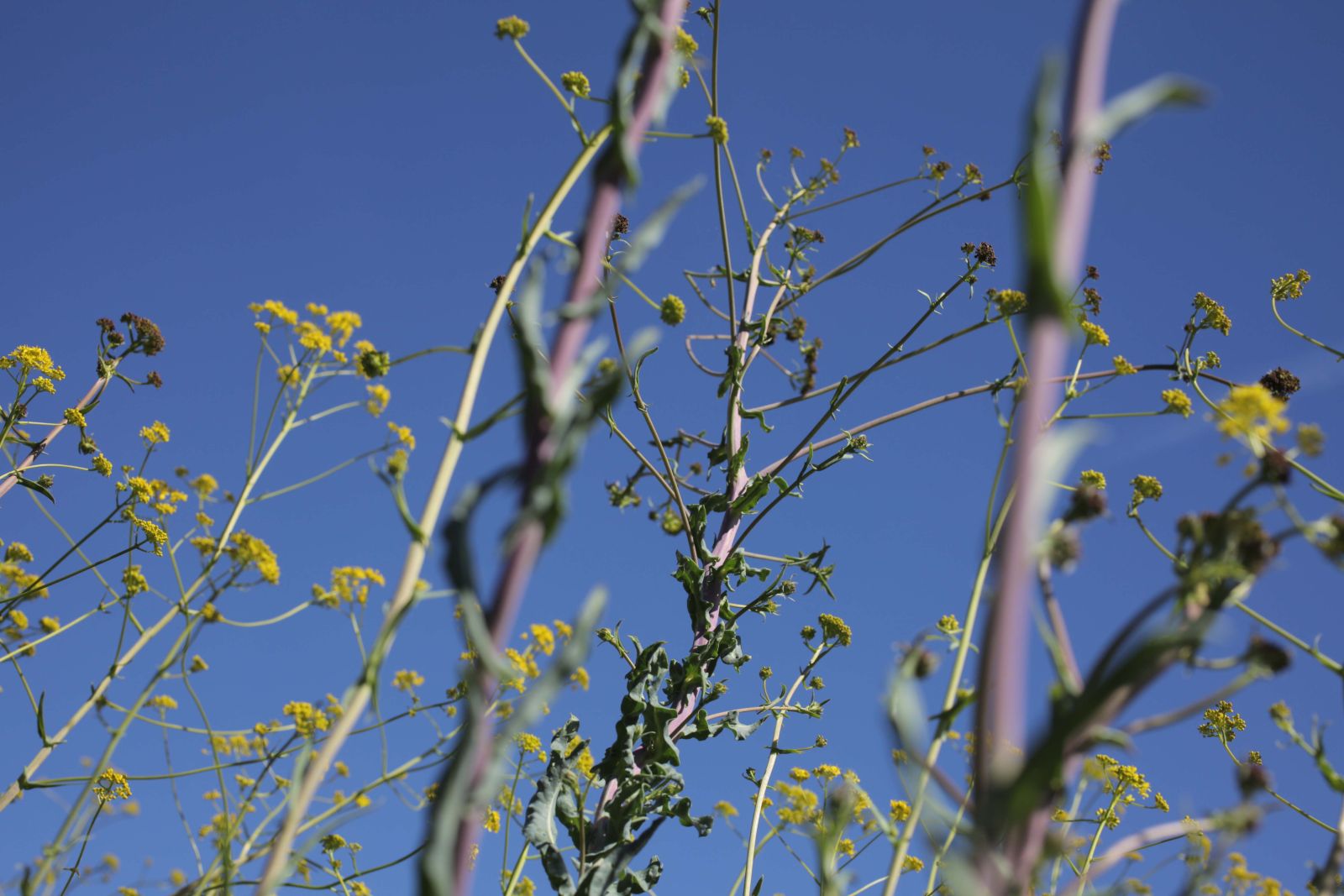
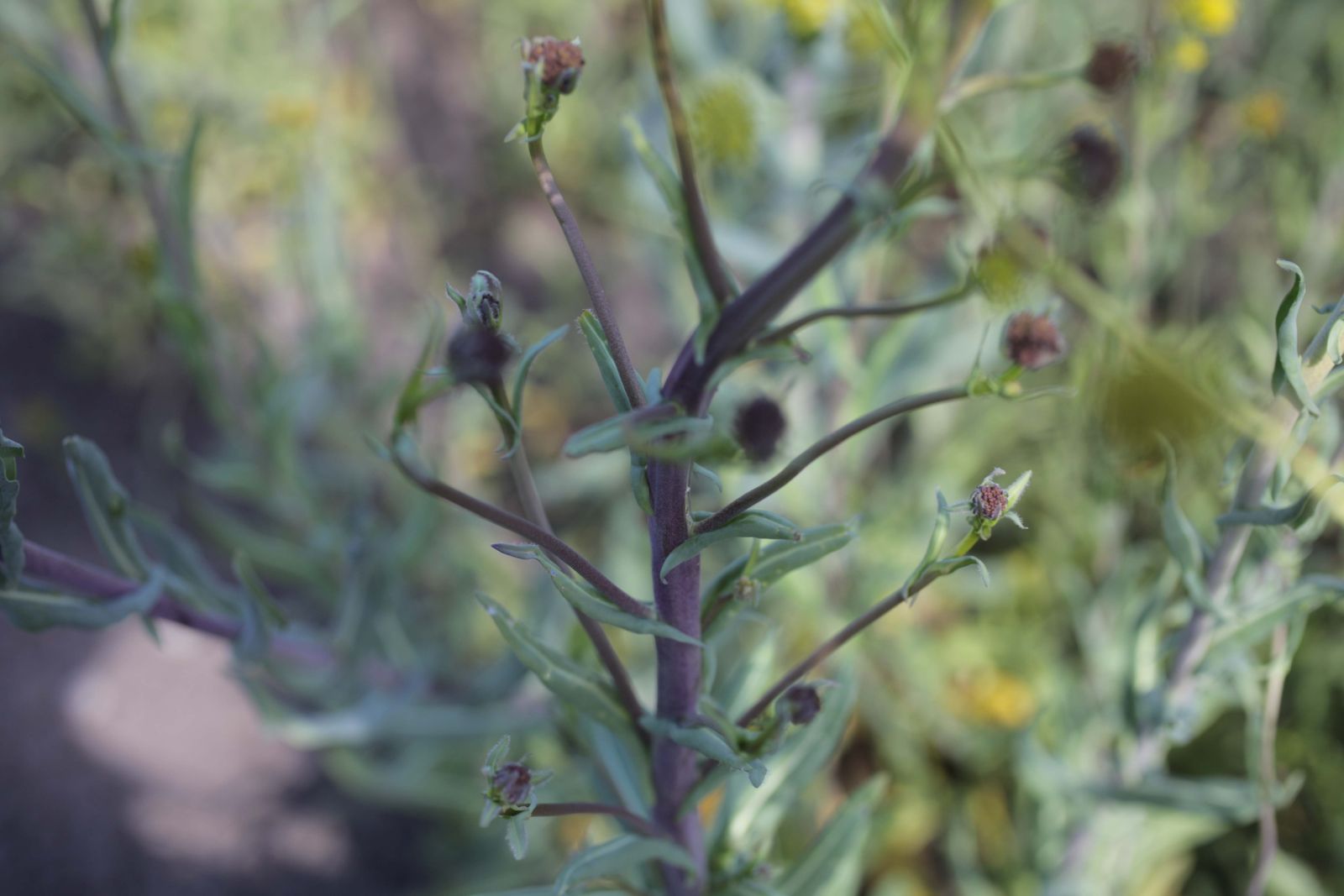
The image above shows Woad or isatis tinctoria, a plant widely used in Europe to dye blue until about 100 years ago.
In different cultural contexts, indigo has a wide range of applications and symbolic meanings, including uses in medicine, cosmetics, religion, and textile dyeing. These uses are based not only on its intense blue colour, but also on its specific physical and chemical properties.
Indigo is believed to have antiseptic qualities, may offer some protection against ultraviolet radiation, and can act as a natural insect repellent. Furthermore, textiles dyed with indigo are often characterised by increased density and durability.
Dyeing with natural indigo is a complex and time-consuming process that involves several stages of preparation and application. In contrast, synthetic indigo is more cost-effective and easier to use.
However, synthetic dyeing methods—like many chemical dyeing processes—are often associated with environmentally harmful and potentially toxic by-products. In addition, residues of these substances can negatively affect the skin compatibility of the dyed textiles.