S01/ 2025 components and dyeing process
Before dyeing/ scouring
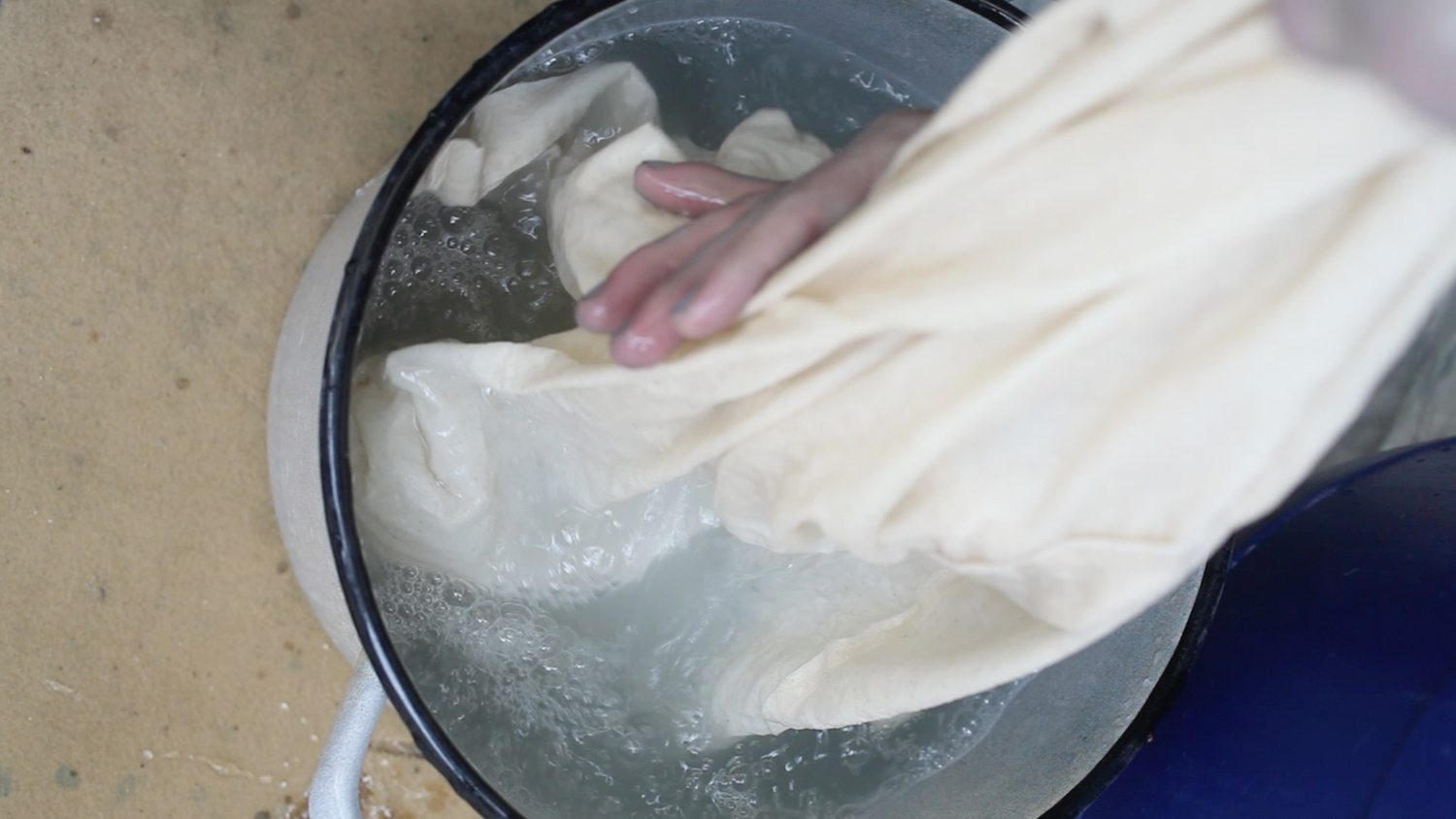
Fabrics are pre-treated by boiling them in water mixed with soda ash and gall soap. This process opens the fibres and removes manufacturing oils and waxes, allowing for deep and even dye absorption.
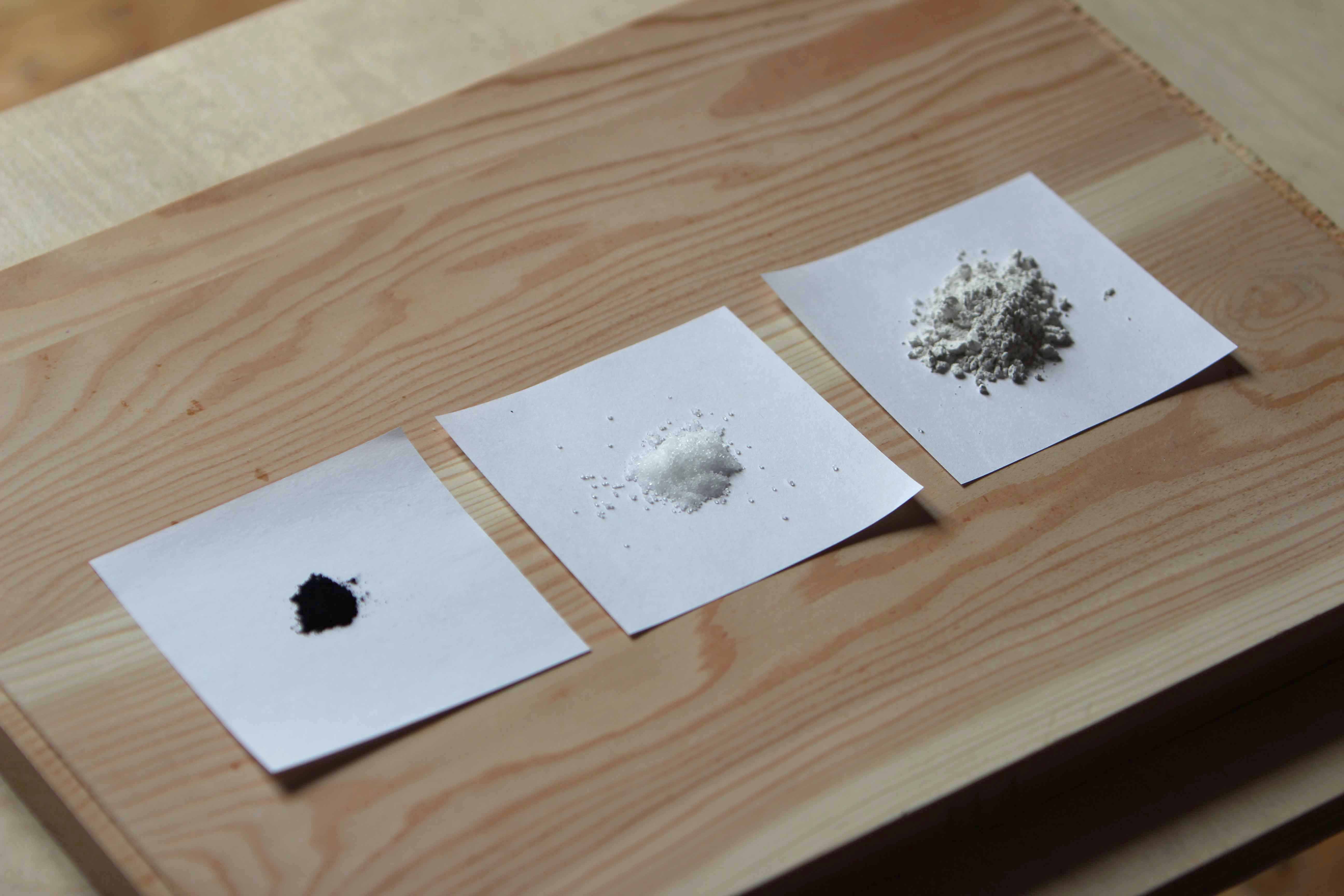
Creating an Indigo Vat: Natural Indigo, Fructose and Calx
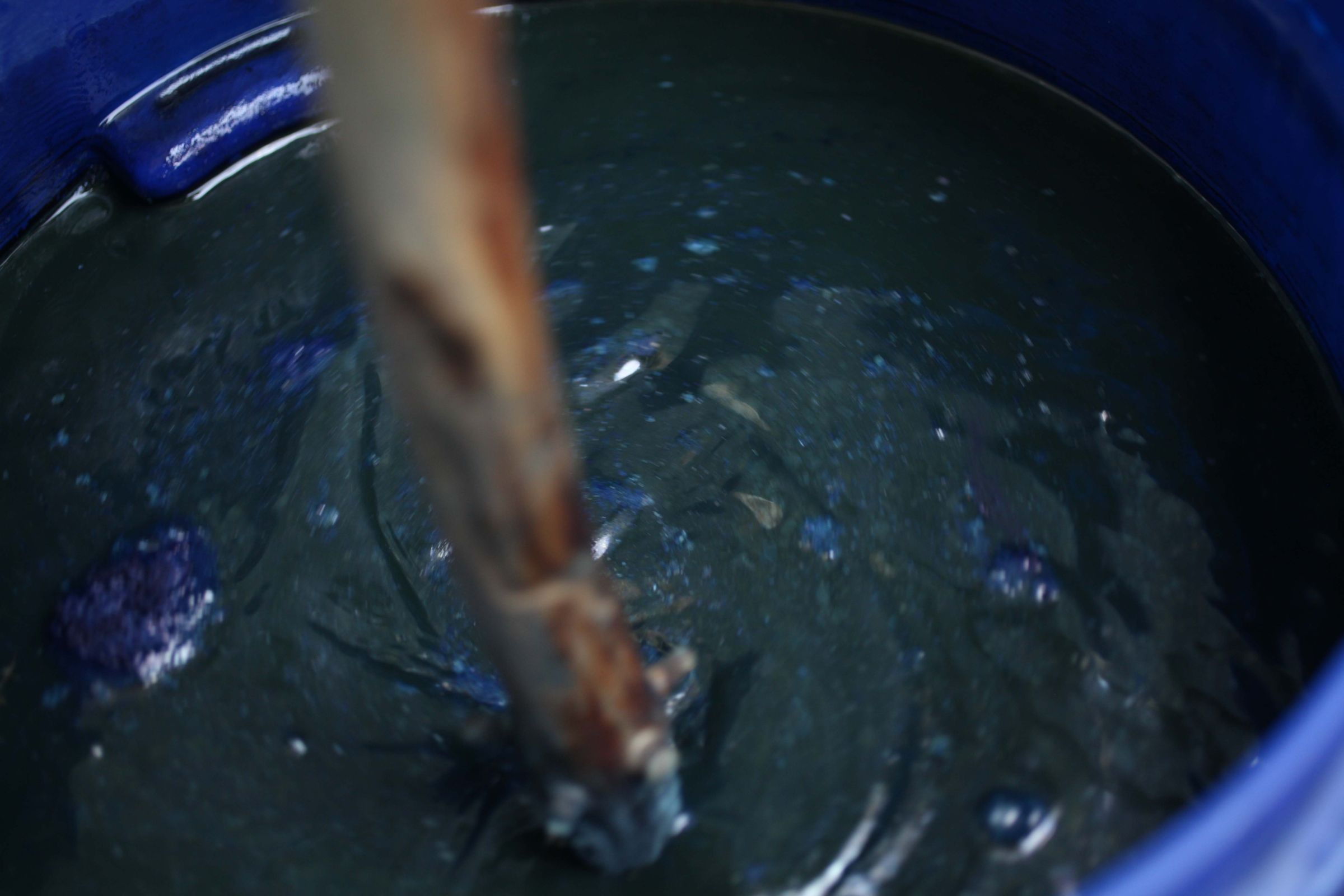
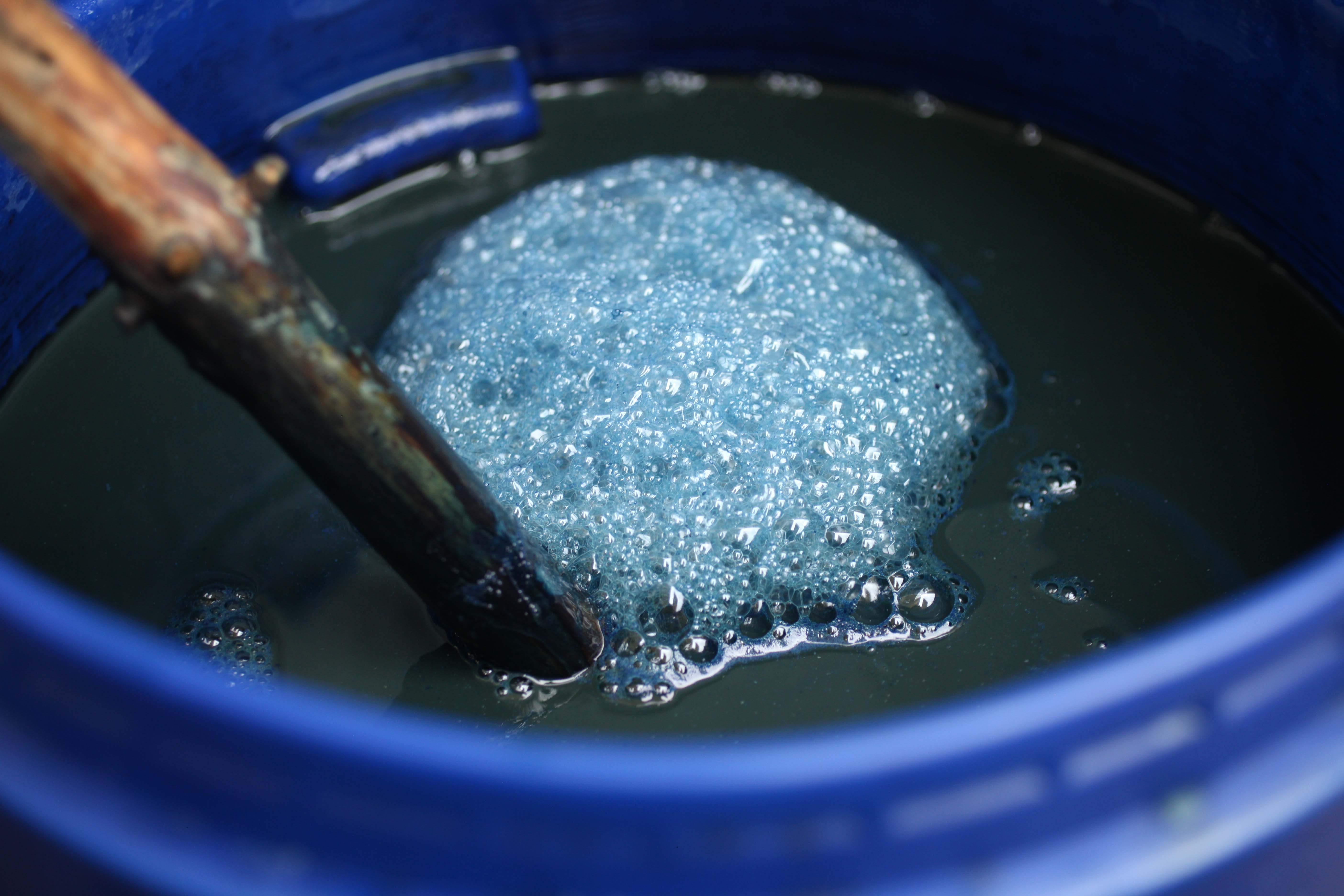
Dyeing with indigo differs fundamentally from other natural dyeing techniques, as the pigment is not soluble in water. To make indigo usable for dyeing, it must first be dissolved in a special dye bath, known as a vat. This vat is alkaline and low in oxygen, which allows the indigo to be chemically reduced into its soluble form, called leuco indigo. Reducing agents such as fructose, ferrous sulphate, or henna are used to remove oxygen from the vat. At the same time, a layer of slaked lime at the bottom helps maintain a stable pH level of around 12.
Dyeing Process. Dipping and Oxidizing
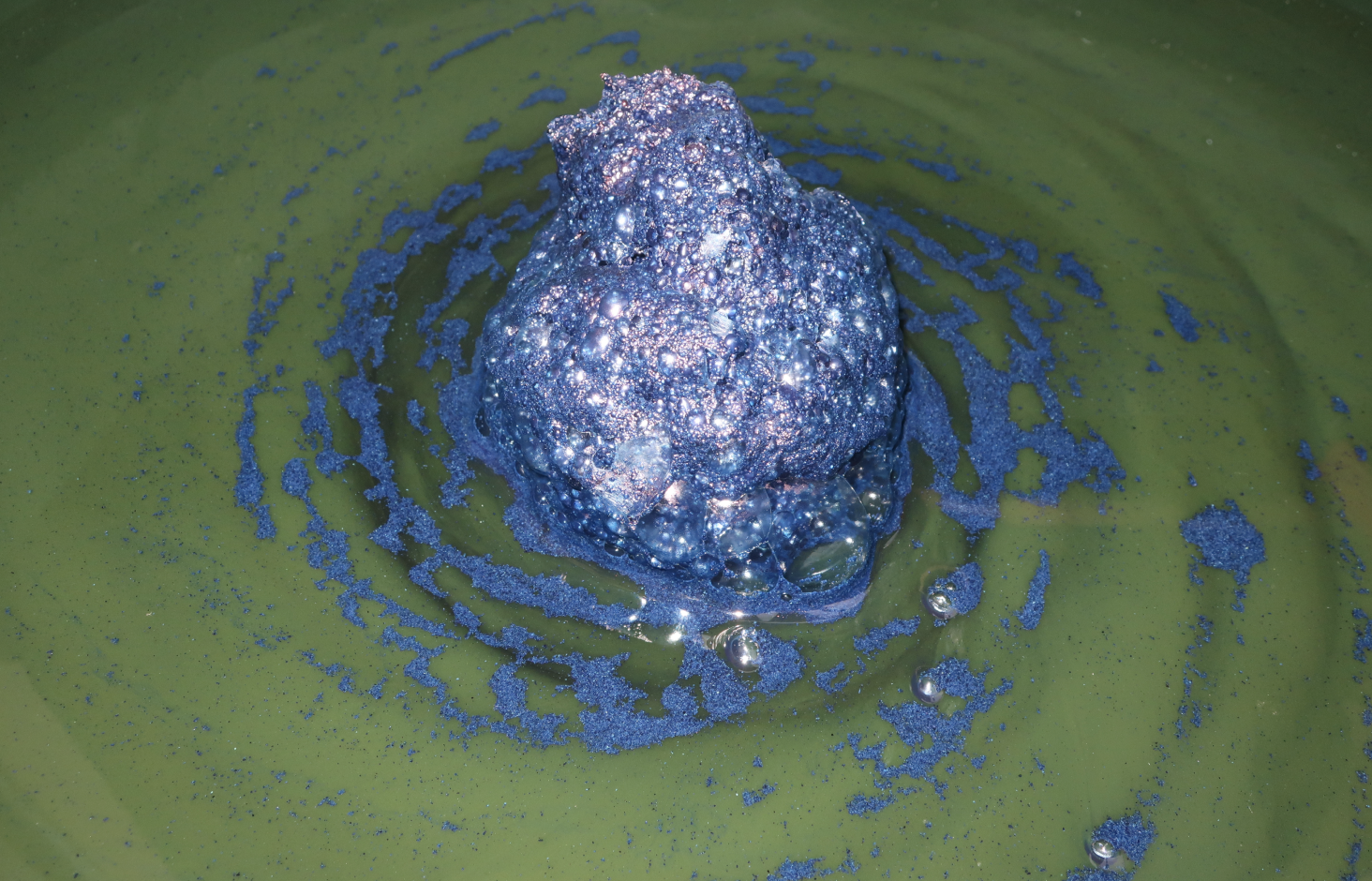
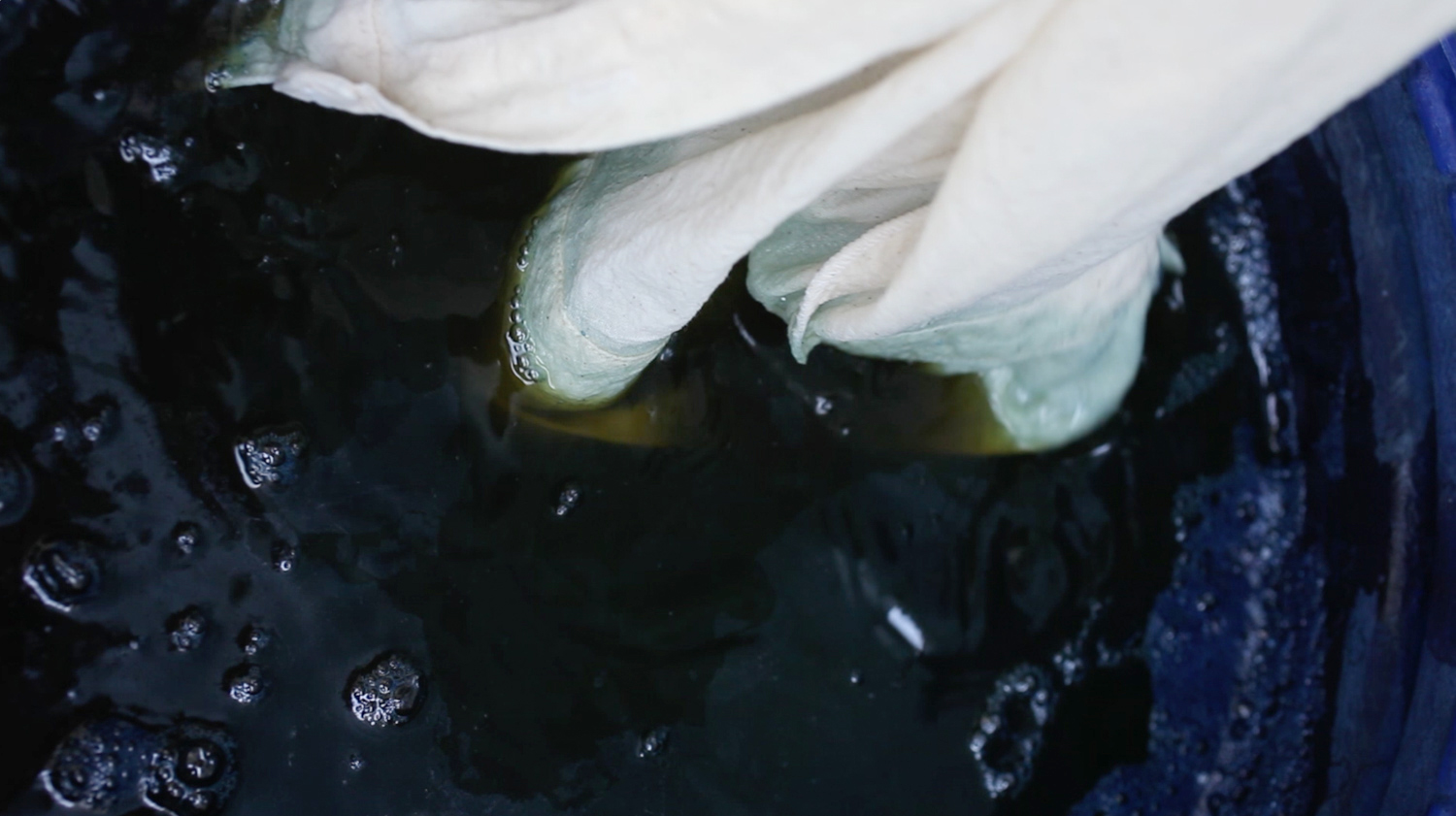
When the fabric is immersed in the vat, the dissolved indigo pigment—now a yellowish-brown colour—penetrates deep into the fibres. Once exposed to air, it reacts with oxygen and reverts to its original form, turning blue again.
Repeated immersions build up multiple layers of indigo pigment within the fibres, resulting in deeper and darker shades of blue. Finally, the fabric is left to oxidise completely in the air and is then thoroughly rinsed with water.
All the ingredients used in the dyeing process are of natural origin and are environmentally friendly. Once a vat is “exhausted,” it can even be reused as a fertilizer in the garden.